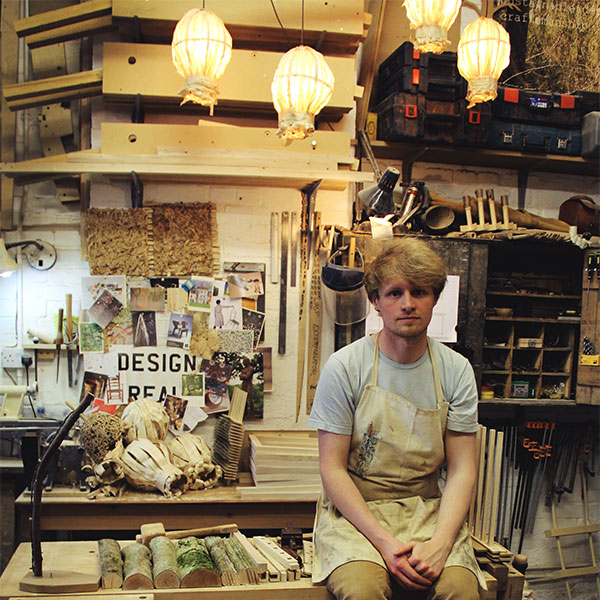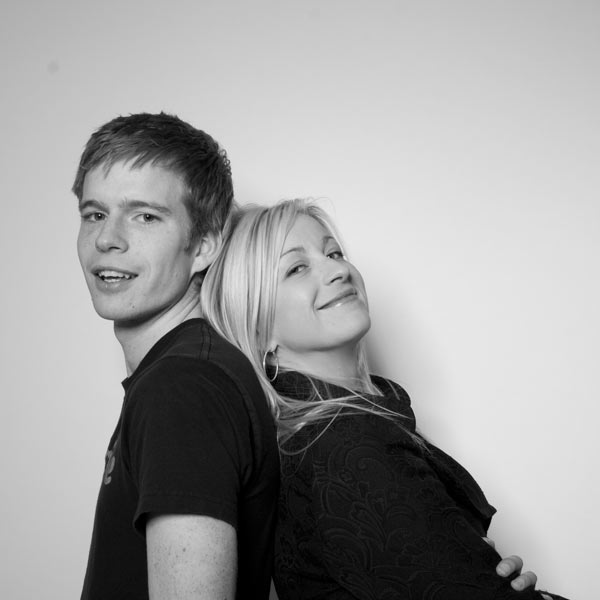


Having kitted out his first flat almost entirely from furniture he found on the street, The Living Furniture Project founder Alastair Sloan was struck by an enormous sense of waste. (670,000 tonnes of furniture ended up in landfill in the UK last year – 45{ff546b69e23b1524d799f96c6ba7a638e1f677053b0a2a1568b05315fd5f8fc7} of which could have been re-used.) Combine that with a rising number of homeless people in his area – a 42{ff546b69e23b1524d799f96c6ba7a638e1f677053b0a2a1568b05315fd5f8fc7} increase in London 2011 – 2013 – and Alastair hit upon an idea. The Living Furniture Project is a social enterprise that provides fairly paid jobs for the homeless, who work with top designers to upcycle discarded furniture, which is sold to fund the project. I spoke to Alastair to find out more…

Why jobs for the homeless and why upcycling?
Providing employment to the homeless is a lasting solution for each individual to get back on their feet. We give our apprentices confidence and independence: confidence because they get to look at a piece of beautiful furniture and say: “I made that”; independence because we pay a living wage and help them to get off benefits.
During the pre-launch phase, I had several designer-makers approach me who wanted to help, many of them who built furniture from scratch using reclaimed materials. So now we also upcycle reclaimed pallets, scaffolding planks, old tea cups – anything we can get our hands on really.

Why should someone buy an item of furniture from you rather than from the high street?
Our furniture is hand-made and will last a lifetime. Our designers are top calibre and experts in both sustainable design and making. And we offer a bespoke service working to your exact brief.
What’s been the most challenging part of getting the project off the ground?
It’s been exciting and enjoyable for the most part. There are some miserable things happening in the homeless community though, and coming across each new story can sometimes be tough.
What’s been the most rewarding part?
Seeing the reactions of the apprentices when they finish their first piece. And seeing someone blog about us in the same post as Elvis & Kresse. They’re a fantastic design-led social enterprise and it’s rewarding to see that people already put us in the same category.

Can you tell me the story of one person in particular the project has helped?
I’d prefer not to speak about the specifics of my first few apprentices as it’s private to them – but they’ve all been through a hell of a lot. Now they’re earning and learning, and their confidence and happiness are back.
Which is your favourite product?
They’re all by different designers so the diplomatic answer would be that they’re all wonderful! The table with the baby block top is a favourite though, because it’s essentially a giant jigsaw – it’s very satisfying to assemble.

There seem to be increasing number of social enterprises offering commercially viable solutions to society’s problems – why do you think that is, and do you think these type of projects will replace the work of charities?
I think people are starting to realise that the provision of welfare can’t be counted on from either the government or charities. Depending on the economic climate and the political mindset of those in charge, state provision can ebb and flow. Likewise charity donations took a 30{ff546b69e23b1524d799f96c6ba7a638e1f677053b0a2a1568b05315fd5f8fc7} hit last year, and charities are feeling the strain as more people need their services. Social enterprises are stepping in and hoping to help – we provide a sustainable model that provides welfare through trading rather than taxation or philanthropy.

What advice would you give to someone else wanting to use design to do some good in the way that you have?
Design is about solving problems. The world is full of really big important problems that need solving, so go and play!
What are you most proud of?
Without doubt, my apprentices. They have come through incredible hardship and fought with immense bravery to get back on their feet.

The Living Furniture Project has recently launched a permanent show room as part of the 22 – 26 cafe/bar/venue on Farringdon Lane – 22-26 Farringdon Lane, EC1R 3AJ.
And here is a wonderful short film interview with one of their lovely designers, Donna Walker….
Further reading for the especially geeky:
- interview :: stolen form
- interview :: oki sato
- interview :: jude dennis
- interview :: seven gauge studios